September 19, 2026 Post by : Editorial Technique
The Warm Light Portrait: Working With Wind, Hair, and Movement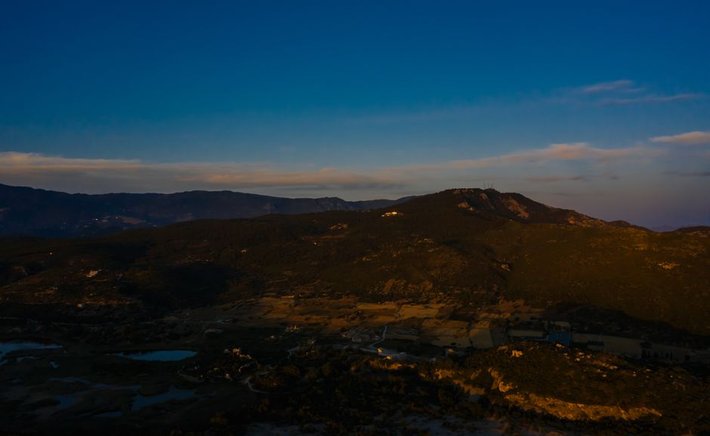
There's a moment that happens maybe twenty minutes before the sun crests the horizon, or twenty minutes after it sinks below it, when the sky glows a deep, saturated blue and city lights or distant windows start to flicker on. A lot of photographers treat this as a waiting period — something to endure before the real light shows up. That's a mistake. The blue hour and golden hour aren't separate events; they're two halves of one continuous performance, and the transition between them is where some of the most interesting frames live.
The trick is to arrive with a plan that spans both phases. Blue hour light is soft, cool, and incredibly even — it's forgiving for wide landscapes and architectural shots, and it lets you balance ambient light against artificial sources without fighting extreme contrast. As the sun approaches, that cool palette starts to warm from the horizon up. The shift is gradual, so gradual that if you're only looking at your histogram you might miss it. Look up. Watch the color move across the sky. That movement is your cue to start adjusting white balance and exposure in small increments rather than big jumps.
Exposure Strategy Across the Transition
In blue hour, your meter will often push you toward longer exposures than you expect, because the scene is deceptively dark to the camera even when it looks bright to your eye. Bracket if you're unsure, but try to avoid letting the camera choose an ISO that introduces noise you'll regret later — a tripod and a slightly longer shutter speed will serve you better than a high ISO handheld shot. As golden hour begins, the light intensity climbs quickly. If you've been shooting at f/8 and 1/15th, you might find yourself at 1/250th within fifteen minutes. Rather than chasing the meter, pick an aperture that suits your composition and let shutter speed float, or switch to manual and ride the exposure yourself.
One habit worth building: shoot a reference frame every few minutes during the transition, even if you don't think the light is 'there' yet. Later, when you're editing, those in-between frames often turn out to be the ones with the most character — not quite blue, not quite gold, but something in between that feels harder to manufacture.
What to Actually Photograph During the Change
Blue hour rewards scenes with artificial light: a lit window against a darkening sky, a streetlamp just coming on, a bridge with cars trailing red taillights. As the light warms, shift your attention toward elements that catch and reflect that warmth — water, wet pavement, the sides of buildings facing the sun, the tops of trees. If you're shooting people, blue hour gives you cool, moody portraits with a cinematic feel; golden hour gives you the classic warm glow. Both are valid, and shooting a subject through the transition can give you a matched set of images with dramatically different moods from the same location.
The practical takeaway: don't think of blue hour as a warm-up. Give it the same intention you'd give golden hour, and you'll come home with a broader, more varied set of images from every shoot.


Author

22 feb,2025
This incident opened my eyes to the value of Insurance in general, so I decided to examine my personal and business insurance.



Comment (3)
The payments are made directly from one person to another without passing through a central bank or clearing house.
22 feb,2025
ReplyBlue Hour to Golden Hour: Shooting the Full Transition
23 feb,2025
ReplyReading Shadows: How Warm Light Reveals Texture and Form
23 feb,2025
Reply