September 10, 2026 Post by : Editorial Portraits
Scouting a Location Before the Light Arrives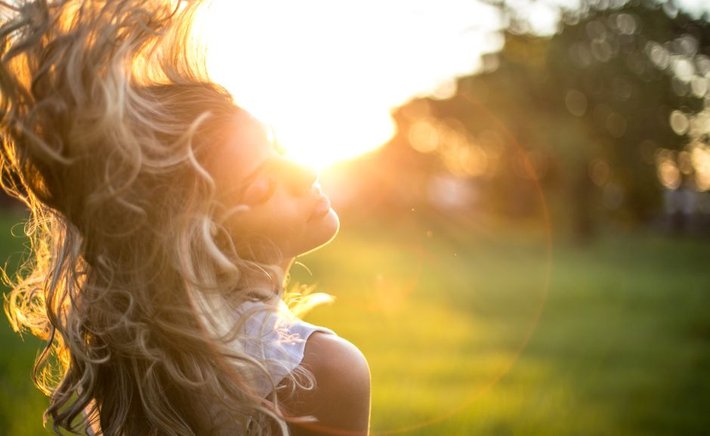
There's a particular kind of golden hour portrait that almost everyone recognizes: the subject facing slightly away from the sun, hair catching the light, a soft glow around the edges of the frame. It's a beautiful look, and it's also one that can feel static if you shoot it the same way every time. The element that separates a technically good warm-light portrait from a memorable one is often movement — and the most available movement in any portrait is hair, fabric, and the subject themselves.
Wind is the obvious collaborator. A light breeze during golden hour can turn a simple portrait into something with life in it, because every strand of hair that catches the sun becomes a tiny, glowing line. But wind is unpredictable, and if you're not prepared, it will ruin more frames than it improves. The preparation is mostly about shutter speed and patience. You need enough speed to freeze the movement you want frozen — usually 1/500th or faster if the wind is strong — and then you need to shoot in bursts, because the best frame is rarely the first one.
Directing Movement Instead of Waiting for It
You don't have to rely on natural wind. You can create movement with simple direction: ask your subject to turn their head slowly, to walk a few steps, to lift a hand through their hair, to laugh at something you say. The goal isn't to fake spontaneity; it's to give the light something to interact with. Warm, low-angle light reveals movement in a way that flat light can't, because every moving edge catches a highlight and every turning surface shifts in tone.
When you're working with a subject who's new to being photographed, give them something to do with their hands and their attention. A person who is mid-action is rarely self-conscious. A person who is waiting for a shutter click often is. Warm light flatters almost everyone, but it flatters most when the person in it is comfortable and engaged.
Technical Notes for Moving Warm-Light Portraits
Backlighting is your friend here, but it's also the hardest exposure to get right. If you're metering for the face, the background will likely blow out — which is often exactly what you want, because that blown-out area becomes a soft warm halo. If you're metering for the background, the face will fall into shadow and you'll need a reflector or a small fill light to bring it back. Both approaches work; the choice depends on whether you want a dreamy, high-key feel or something more grounded and contrasty.
Autofocus can struggle when hair is moving and light is flaring, so consider using single-point AF on the eye and accepting a slightly lower hit rate. When it works, the result is a portrait that feels alive — not just lit by golden hour, but moving through it.


Author

22 feb,2025
This incident opened my eyes to the value of Insurance in general, so I decided to examine my personal and business insurance.



Comment (3)
The payments are made directly from one person to another without passing through a central bank or clearing house.
22 feb,2025
ReplyPortraits in Low Sun: Shaping Faces With Warm Light
23 feb,2025
ReplyFive Golden-Hour Mistakes That Ruin Otherwise Good Shoots
23 feb,2025
Reply