September 16, 2026 Post by : Editorial Technique
Editing Warm Light: A Practical Workflow From RAW to Final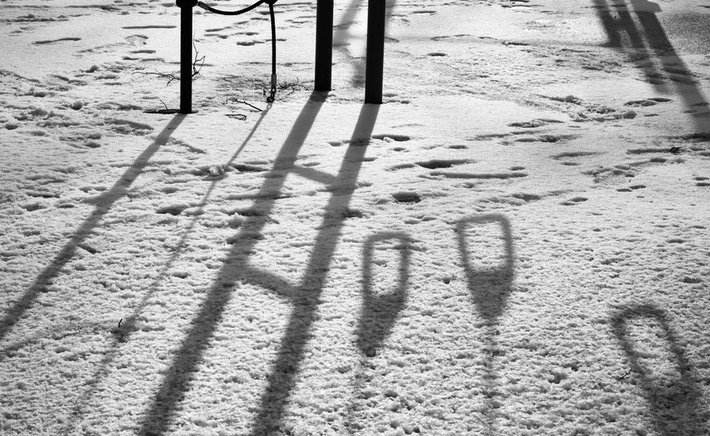
Ask most photographers what they love about golden hour and they'll talk about color — the oranges, the ambers, the way skin glows. All true. But the color is almost a side effect of something more important: the angle of the light. When the sun is low, it rakes across the landscape at a shallow angle, and that angle is what creates the long shadows, the visible texture, and the sense of three-dimensional form that flat midday light simply can't produce.
Understanding this changes how you scout and how you compose. Instead of looking for scenes that are 'pretty,' start looking for surfaces that have relief — bark, stone walls, sand ripples, fabric folds, the ridges of a mountain, the veins on a leaf. Warm, low-angle light doesn't just illuminate those surfaces; it exaggerates them, because every small bump casts a tiny shadow that the light itself outlines.
Finding and Using Raking Light
The key word is 'raking' — light that comes in almost parallel to the surface it's hitting. If you're shooting a wall, you want the sun near the same plane as the wall, not perpendicular to it. If you're shooting a landscape, you want ridges and hills that face the sun at a glancing angle. This is why the same location can look dull at noon and extraordinary an hour before sunset: the geometry of the light has changed, not the place.
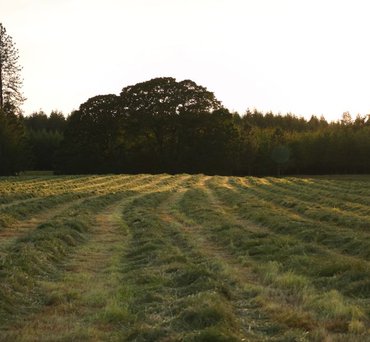
Practically, this means you should walk your scene before you shoot and ask, 'Where is the sun going to be, and what will it graze?' A field of tall grass is unremarkable from above, but backlit at a low angle it becomes a field of glowing filaments. A face is smooth in flat light but gains structure when the sun skims across it from the side. The same principle applies everywhere.
Don't be afraid of shadows in these conditions. Deep shadows are what give the lit areas their punch. A frame that's 70% shadow and 30% warm light often reads as more dramatic and more intentional than one that's evenly lit throughout.
Composing With Shadow as a Subject
Once you start noticing shadows as compositional elements rather than problems to solve, your images change. A long shadow cast by a tree can become a leading line. Shadows across a path can create rhythm. The shadow of a person can anchor a portrait in a way that the person alone can't. Try shooting into the light sometimes — not directly at the sun, but at a scene where the light source is behind your subject and the shadows stretch toward you. This backlit approach is one of the most reliable ways to make warm light feel cinematic rather than merely bright.
The next time you're out during golden hour, spend the first ten minutes just watching where the shadows fall and how they move. Then build your shots around them. The color will take care of itself.


Author

22 feb,2025
This incident opened my eyes to the value of Insurance in general, so I decided to examine my personal and business insurance.


Comment (3)
The payments are made directly from one person to another without passing through a central bank or clearing house.
22 feb,2025
ReplyFive Golden-Hour Mistakes That Ruin Otherwise Good Shoots
23 feb,2025
ReplyBlue Hour to Golden Hour: Shooting the Full Transition
23 feb,2025
Reply