September 25, 2026 Post by : Editorial Portrait Techniques
Reading Shadows: How Warm Light Reveals Texture and Form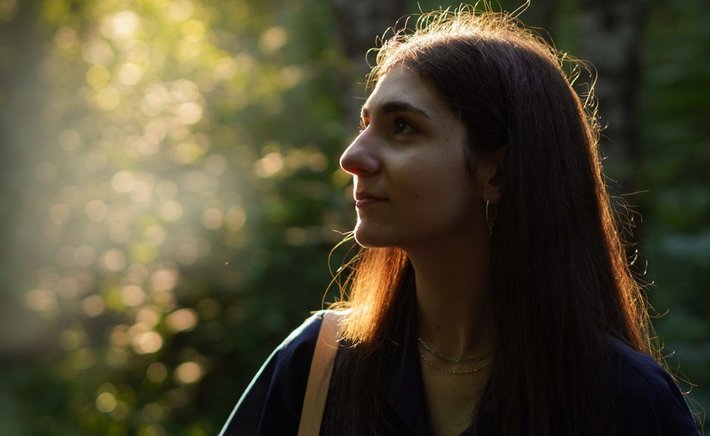
There is a reason so many portraits are shot in the last hour of daylight. Low sun wraps around a face, softens texture, and adds a warmth that no filter quite replicates. But low sun is also a moving target. Its angle changes minute by minute, its color shifts, and its intensity can swing from gentle to blinding depending on how much atmosphere it passes through. Learning to shape it is the central skill of warm-light portraiture.
The first decision is direction. Backlight, with the sun behind your subject, produces a glowing rim around the hair and shoulders and a soft, shadowed face. It is flattering and cinematic, but it requires careful exposure. I meter for the face and let the background blow out, or I use a reflector to bounce a little light back into the shadow side. A white reflector held low and close works wonders, and it does not need to be expensive. Even a sheet of foam board will do.
Working With Side Light and Shadow
Side light, with the sun at roughly ninety degrees to the subject, is the most sculptural option. It reveals the structure of a face, defines cheekbones, and creates a strong shadow that can be used as a compositional element. The challenge is contrast. A face lit from the side in low sun can have a bright cheek and a very dark opposite side. I often position a reflector to open the shadow just enough to retain detail without killing the drama. The goal is not to eliminate shadow but to control it.
Front light, with the sun behind the photographer, is the easiest to expose and the least interesting to look at. It flattens features and can make subjects squint. That said, it has its place, particularly with older subjects or anyone who feels self-conscious about harsh shadows. If I use front light, I try to soften it by shooting through a thin scrim or waiting for a wisp of cloud to pass in front of the sun.
Posing and Directing in Changing Light
Because the light is moving, posing in golden hour is a collaborative dance. I tell my subjects to expect small adjustments and explain why we are making them, which keeps them engaged rather than frustrated. A turn of the chin, a slight lean, a step to one side, and the light transforms completely. I watch the light on their face rather than through the viewfinder, because the viewfinder flattens what I am seeing. I want to see the actual glow on the skin.
I also build in pauses. Golden hour is short, and it is easy to rush. I schedule a few moments where the subject can relax and I can reset. Some of my favorite frames come from those in-between moments, when the posing stops and the person simply exists in the light. Warm light rewards patience more than it rewards speed.
Finally, I remind myself that not every portrait needs to be perfectly lit. The uneven, fleeting quality of low sun is part of its charm. A little flare, a hot edge, a deep shadow: these are not flaws to correct but characteristics to use. When I stop fighting the light and start shaping it, the work gets simpler and better at the same time.
Author
22 feb,2025
This incident opened my eyes to the value of Insurance in general, so I decided to examine my personal and business insurance.



Comment (3)
The payments are made directly from one person to another without passing through a central bank or clearing house.
22 feb,2025
ReplyEditing Warm Light Without Going Orange
23 feb,2025
ReplyPortraits in Low Sun: Shaping Faces With Warm Light
23 feb,2025
Reply