September 22, 2026 Post by : Editorial Light Techniques
A Field Guide to Warm Light on Overcast Days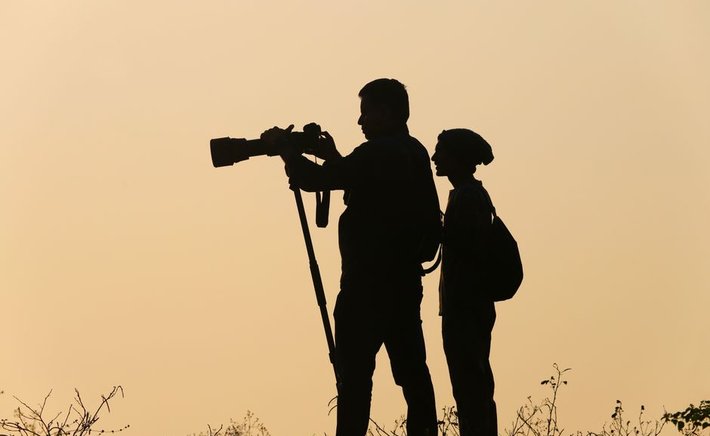
After enough golden-hour shoots, patterns emerge. The same mistakes show up again and again, and they almost always have nothing to do with camera gear. They are decisions about timing, exposure, and attention. Here are the five I see most often, including the ones I still catch myself making.
The first mistake is arriving too late. Golden hour is generous with its beauty but stingy with its time. By the time the light looks the way you imagined, you may only have ten or fifteen minutes to work. Arriving thirty minutes early gives you time to set up, compose, and adjust before the light peaks. It also lets you shoot through the approach phase, which is often more versatile than the peak itself. If you are still parking the car when the light turns amber, you have already lost.
Chasing the Sky Instead of the Subject
The second mistake is overvaluing the sky. A dramatic sunset is intoxicating, and it is easy to point the camera at it and forget everything else. But a photograph of a sky is rarely as interesting as a photograph of something in front of a sky. I try to anchor every frame with a subject: a person, a tree, a building, a shape. The sky becomes a backdrop, not the point. When I review my images later, the ones I keep almost always have a clear subject and a supporting sky, not the reverse.
The third mistake is underexposing to protect highlights. It is true that golden-hour skies can blow out easily, but pulling exposure down across the whole frame to save a few clouds leaves subjects dark and dull. I would rather expose for the subject and let the brightest sky clip, or use a graduated filter or bracketed exposure when the scene truly needs it. Protecting every highlight is not a virtue if the result is an image no one wants to look at.
Ignoring White Balance and Rushing the Edit
The fourth mistake is trusting auto white balance blindly. Cameras often try to neutralize warm light, which strips out the very color you came for. I set white balance manually or to a daylight preset and adjust from there. This keeps the warmth intact and makes my files more consistent from frame to frame, which saves time in editing.
The fifth mistake is editing too fast. Golden-hour files are subtle, and the temptation is to push them hard to recreate the feeling of being there. Oversaturated oranges, crushed shadows, and heavy vignettes are the usual result. I try to let a shoot sit overnight before editing, or at least step away for an hour. Coming back with fresh eyes, I usually pull my adjustments back and end up with something truer to the moment.
None of these mistakes require expensive gear to fix. They require attention, patience, and a willingness to plan around the light instead of chasing it. Golden hour rewards photographers who show up prepared and stay present, and it punishes those who treat it as a slot on the calendar. Fix these five habits and your keeper rate will climb quickly.


Author

22 feb,2025
This incident opened my eyes to the value of Insurance in general, so I decided to examine my personal and business insurance.




Comment (3)
The payments are made directly from one person to another without passing through a central bank or clearing house.
22 feb,2025
ReplyA Field Guide to Warm Light on Overcast Days
23 feb,2025
ReplyThe Warm Light Portrait: Working With Wind, Hair, and Movement
23 feb,2025
Reply