October 4, 2026 Post by : Editorial Light Techniques
Portraits in Low Sun: Shaping Faces With Warm Light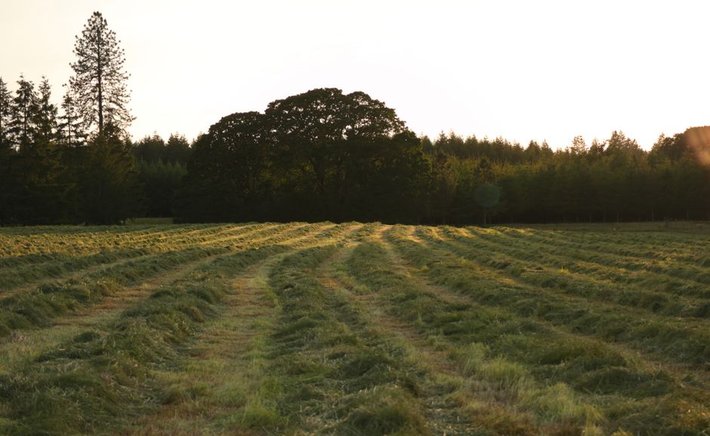
Every photographer has heard the advice: shoot during golden hour. Fewer understand that golden hour is not one light but four or five distinct phases, each with its own color temperature, contrast, and mood. If you treat the whole hour as a single condition, you will walk away with a card full of images that all look vaguely similar. If you learn to read the phases, you can make deliberate choices about what to shoot and when.
In practical terms, I break the window into three main movements: the approach, the peak, and the afterglow. The approach begins roughly forty minutes before sunset, when the sun is still high enough to cast defined shadows but the light has warmed noticeably. Colors are saturated but shadows are not yet fully open. This is my favorite time for portraits, because there is still enough directional light to shape a face without blowing out the sky behind it.
The Peak Is Not Always the Best Moment
The peak, roughly the last ten to fifteen minutes before the sun touches the horizon, is where the famous amber glow lives. The light becomes soft, directional, and intensely warm. Shadows stretch long and take on a blue-violet cast that contrasts beautifully with the orange highlights. Many landscape photographers chase this moment and stop there, but I have found that the peak is often too warm for certain subjects. Skin tones can go orange quickly, and green foliage can turn muddy. If you shoot portraits here, watch your white balance and consider warming only the highlights in post rather than the whole frame.
The afterglow, that ten to twenty minutes after the sun disappears, is the most underrated part of the window. The sky turns into a gradient of pink, magenta, and deep blue, and the light becomes so soft and even that it acts like a giant softbox. This is when I shoot wide landscape compositions and quiet, contemplative portraits. There is no harsh shadow to manage, and the color palette is rich without being overwhelming. The trick is to expose for the sky and let the foreground fall into gentle shadow, or to bring a small light to lift your subject.
Planning Around Your Location, Not Just the Clock
The exact timing of each phase depends on your location. A beach facing west will give you a long, gradual approach as the sun tracks down over open water. A valley between mountains will compress the window into a few frantic minutes as the sun drops behind a ridge. Before any shoot, I check the sun's azimuth and altitude for my location and mentally map where the light will come from at each phase. Apps help, but nothing replaces standing in the spot a day earlier at the same time and watching.
Weather matters just as much. Thin, high clouds stretch the warm light and can extend golden hour by ten or fifteen minutes. Heavy clouds at the horizon can kill the peak entirely but leave you with a spectacular afterglow if the sky above stays clear. I have learned to treat a cloudy forecast as an invitation rather than a warning. Some of my favorite frames came from evenings when the sun never fully appeared.
The takeaway is simple: stop thinking of golden hour as a single event. Arrive early, stay late, and shoot through every phase. You will come home with a range of images instead of a dozen variations of the same one.


Author

22 feb,2025
This incident opened my eyes to the value of Insurance in general, so I decided to examine my personal and business insurance.


Comment (3)
The payments are made directly from one person to another without passing through a central bank or clearing house.
22 feb,2025
ReplyThe 40-Minute Window: Timing Golden Hour Like a Pro
23 feb,2025
ReplyScouting a Location Before the Light Arrives
23 feb,2025
Reply