October 1, 2026 Post by : Editorial Location Scouting
Five Golden-Hour Mistakes That Ruin Otherwise Good Shoots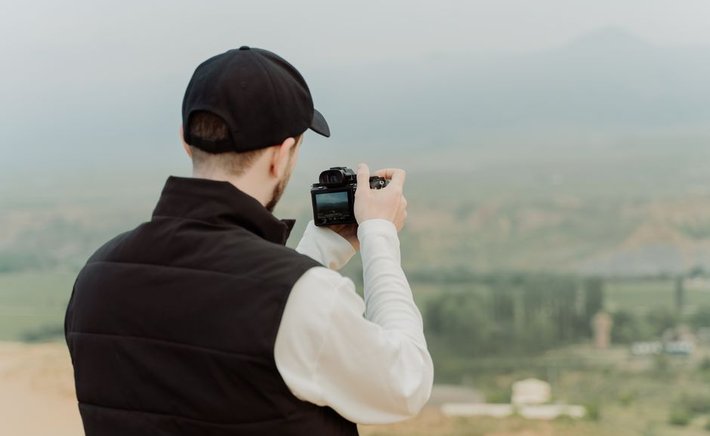
When people ask how I get consistent results during golden hour, they usually expect an answer about camera settings or editing presets. The honest answer is scouting. Light is unpredictable, but locations are not. If you know a place intimately, you can predict where the light will fall, what it will illuminate, and what it will miss. That knowledge turns a lucky shot into a repeatable one.
I scout in two passes. The first pass is a midday visit, ideally on a clear day. The light is flat and unflattering, which is exactly the point. Without dramatic light to distract me, I can study the bones of a location: the shape of the land, the direction of paths, the placement of trees, rocks, and architectural features. I take phone snapshots and note compass directions. I am looking for foreground elements, leading lines, and clean backgrounds that will hold up when the light gets interesting.
Reading How Light Will Move Through a Space
The second pass happens in the hour before sunset, ideally on a day close to the one I plan to shoot. This is when I watch the light actually move. I note where the first warm rays land, how shadows creep across the ground, and which parts of the scene stay in shade the longest. A location that looks flat at noon can reveal surprising depth when low light rakes across it. I also watch for distractions that only appear at certain times: parked cars, joggers, sprinklers, or a neighbor's porch light that flicks on at dusk.
Composition during golden hour is largely about anticipation. If I know the sun will drop behind a particular tree line at Location Scoutinges that moment rather than scrambling for it. I usually sketch two or three compositions in advance and mark my standing positions. When the light arrives, I am not searching. I am executing.
Building a Personal Library of Locations
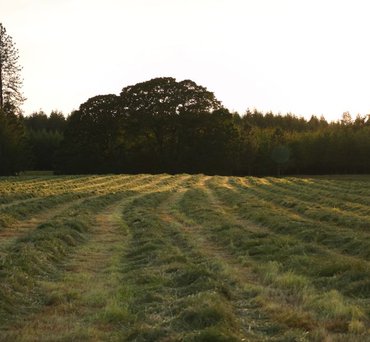
Over time, scouting builds into something more valuable than any single shoot: a personal library of locations. I keep notes on each spot, including the season, the weather conditions, and what worked. A meadow that is dull in July can be spectacular in late September when the grasses turn gold. A city rooftop that faces west might be best in winter, when the sun sets earlier and the sky holds more color. Keeping these notes means I always have somewhere to go when the forecast looks promising.
I also revisit locations deliberately in different conditions. A place I have shot on a clear evening might be completely transformed by fog or broken clouds. Fog at golden hour is one of the most magical combinations in photography, softening backgrounds and turning ordinary scenes into something ethereal. But you will only catch it if you are willing to return to the same spot again and again.
Scouting is not glamorous. It involves standing in a field at noon, squinting at your phone, and taking notes that feel pointless at the time. But it is the difference between hoping for good light and knowing where it will land. The photographers who consistently produce beautiful golden-hour work are almost always the ones who did their homework long before the sun started to drop.

Author
22 feb,2025
This incident opened my eyes to the value of Insurance in general, so I decided to examine my personal and business insurance.


Comment (3)
The payments are made directly from one person to another without passing through a central bank or clearing house.
22 feb,2025
ReplyThe Warm Light Portrait: Working With Wind, Hair, and Movement
23 feb,2025
ReplyEditing Warm Light: A Practical Workflow From RAW to Final
23 feb,2025
Reply